Loan default in Kenya’s smartphone financing market does not start with one missed payment. It starts when delayed payments become a pattern that quietly affects cash flow, stock movement, staff time, and future sales.
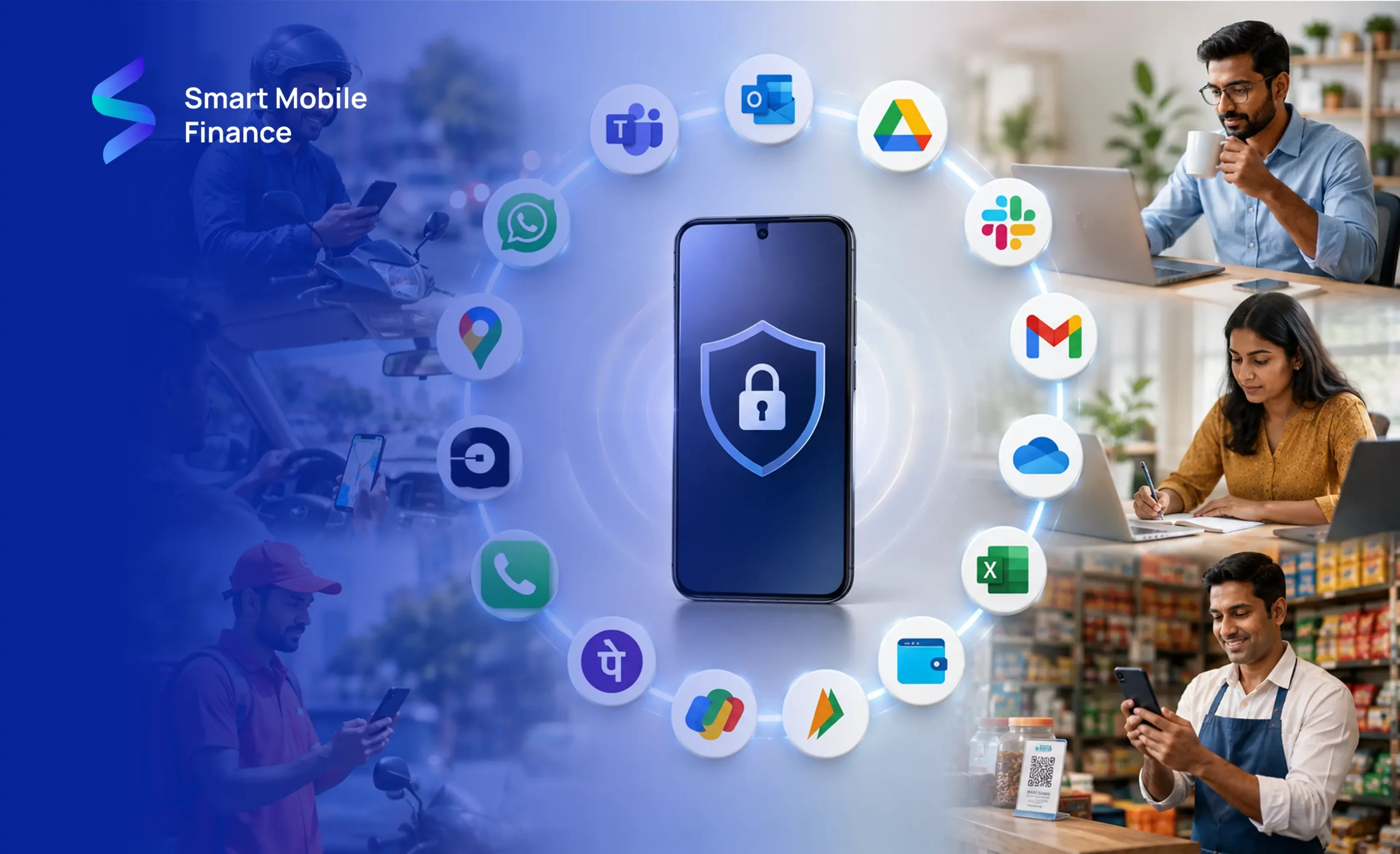
Kenya’s phone market is already deeply mobile-first. In Q3 FY2025/26, Communications Authority of Kenya data showed 84.1 million active mobile subscriptions, while smartphones made up 63.7% of devices connected to mobile networks. For retailers, this means more customers need smartphones for M-Pesa, boda boda work, online work, small businesses, and daily communication.
That makes smartphone financing a strong opportunity for retailers. But once the phone leaves the shop, the real test begins: keeping repayments on track without spending the whole day chasing customers.
Loan Default You See, and Loan Default You Don’t
The loan default you see is simple: the customer missed a payment.
The loan default you don’t see is more expensive:
- Staff spending time on repeated follow-ups
- Cash getting stuck in unpaid installments
- Restocking getting delayed because money has not returned
- Store teams focusing on overdue customers instead of new sales
- More pressure to ask for bigger deposits from the next customer
- Good customers getting rejected because past defaults made the shop cautious
This is why loan default should not be treated as a small issue. For retailers offering hire purchase, it directly affects daily business health.
Loan Default Prevention Should Start Before the Due Date
Many retailers act only after a default happens. But by then, the customer may already be difficult to contact. A better approach is to prevent missed payments early.
This means the customer should receive clear reminders before the due date. The retailer should know which accounts need attention. If payment is missed, the retailer should not depend only on repeated calls.
This is where a device lock helps in smartphone financing. But a basic lock is not enough. Retailers need a device lock that works with the full repayment journey: payment reminders, overdue action, remote lock, quick unlock, customer contact support, and device protection.
How SMF’s Device Lock Gives Better Control Over Loan Default
SMF’s device lock helps retailers protect financed phones when payments are missed. The retailer can lock the device remotely and unlock it again once the customer clears the payment. This keeps repayment control connected to the financed phone, instead of depending only on phone calls, WhatsApp messages, or manual follow-ups.
SMF also goes beyond device lock and gives retailers more ways to manage the financed device:
Payment nudges to remind customers before the due date
Get Number to fetch the active, in-use number in the financed device
Get Location to get the real-time location of the financed device when needed
Factory Reset Protection so the device remains protected even if someone tries to reset it
Centralized dashboard to manage financed phones across one store or multiple stores
Easy enrolment so teams can start using it without a heavy technical process
Churn-proof data security so that financed device information stays protected even when store staff change
24/7 support to help retailers when they need assistance
SMF is ISO-certified and built to help retailers protect financed devices, reduce manual follow-ups, and manage repayment more easily.
A Better Way to Keep Smartphone Financing Moving in Kenya
Loan default should not stop Kenyan retailers from offering hire purchase. It should push them to manage repayment earlier and more clearly.
When reminders, device control, customer contact, and dashboard visibility work together, retailers can keep phones moving, protect their money, and serve more customers through installment-based buying.
That is the real opportunity in Kenya’s smartphone financing market: more customers get access to phones, and retailers keep every financed device manageable until the final payment is complete.
Want to manage loan defaults more effectively across your smartphone financing business? Get in touch with the SMF team.
Frequently Asked Questions:
Start by setting clear repayment dates, sending reminders before the due date, tracking overdue accounts daily, and using device lock tools for financed phones. With SMF, retailers can send payment nudges, lock overdue devices remotely, unlock them after payment, and manage financed phones from one dashboard.
Multi-store retailers in Kenya can manage smartphone financing better when all financed phones, payment status, and overdue accounts are visible in one place. With SMF’s centralized dashboard, retailers can manage financed devices across multiple stores, track repayment activity, and keep follow-ups consistent without depending on each branch to manage everything separately.
Weekly or flexible repayment works well in Kenya because many customers earn through daily or weekly income from boda work, small businesses, casual jobs, or mobile-money transactions. When repayment plans match how customers earn, smartphone financing becomes easier for customers to manage and easier for retailers to track.